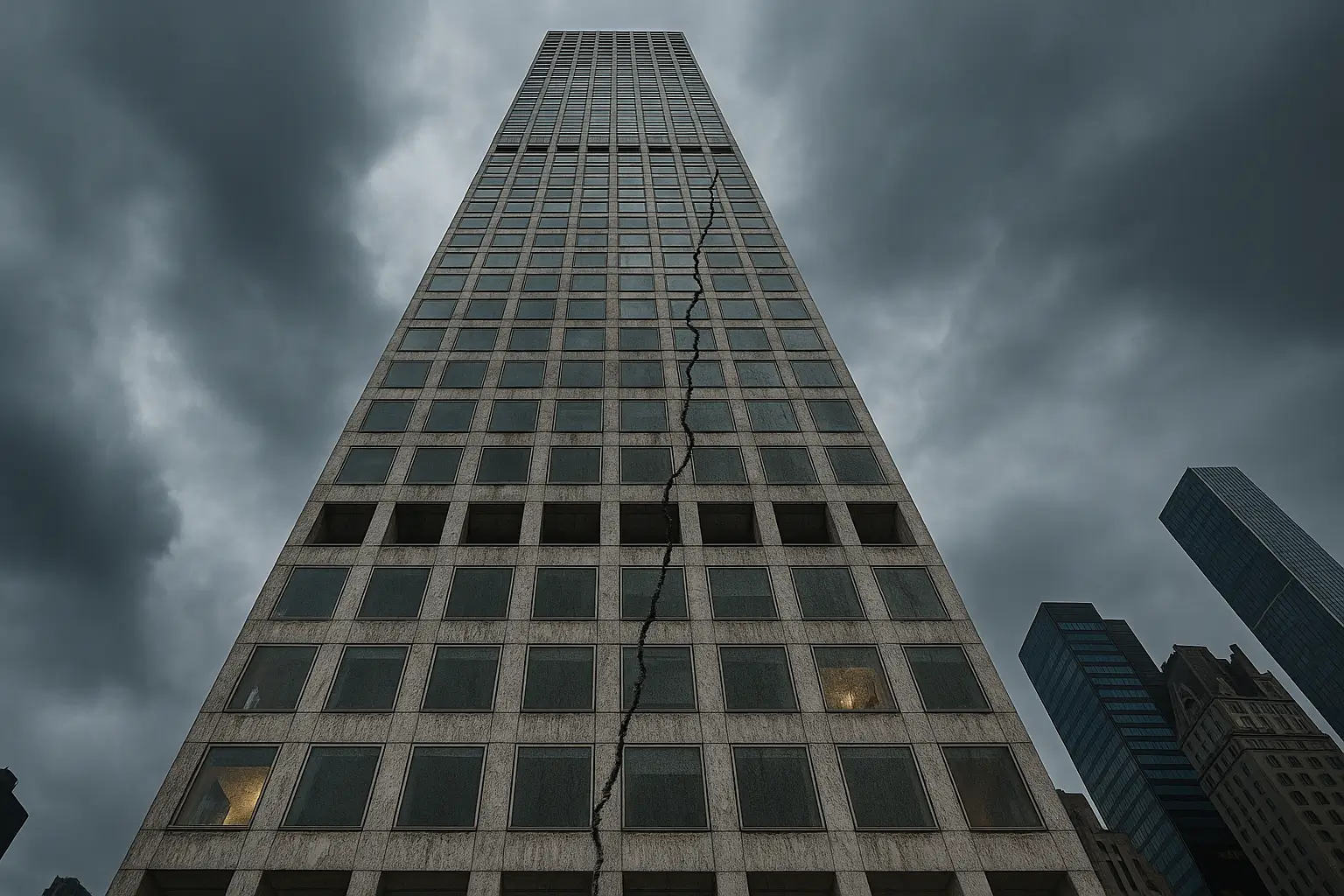
432 Park Avenue Problems: Timeline, Lawsuits, and What NYC Luxury Buyers Must Know in 2025
Last updated: December 12, 2025 | Changelog: Added April 2025 fraud lawsuit details; updated market price trends and listing data through December 2025.
TL;DR: 432 Park Avenue — a 96-story supertall opened in 2015 — now faces multiple defect lawsuits alleging thousands of façade cracks, widespread water infiltration, frequent elevator failures, and large special-assessment exposure. Litigation and price declines make it a must-do diligence example for any luxury buyer in 2025.
When Manhattan’s most expensive tower becomes a case study in failure, every luxury buyer should pay attention. 432 Park Avenue’s defects — thousands of façade cracks, repeated flooding, malfunctioning elevators, and multi-million-dollar lawsuits — have knocked unit values down by as much as 52% and turned a poster child of prestige into a cautionary case for 2025 buyers. The 432 Park Avenue problems expose critical vulnerabilities in ultra-luxury high-rise development that extend far beyond one building on Billionaires’ Row.
432 Park Avenue, once celebrated as an architectural triumph with units selling for up to $95 million, now faces over $250 million in defect lawsuits, thousands of structural cracks, and residents reporting more than 1,500 documented problems. Unit values have collapsed by as much as 52%, and the building has become a cautionary tale for anyone considering a supertall luxury purchase in New York City.
This guide provides comprehensive analysis of 432 Park Avenue problems. You’ll understand exactly what went wrong, how it affects market value, and what questions every buyer must ask before purchasing in any ultra-luxury tower.
Current Status: What’s Happening at 432 Park Avenue
432 Park Avenue is a 1,396-foot residential supertall in Midtown Manhattan, designed by Rafael Viñoly and developed by CIM Group and Macklowe Properties. The building opened in 2015 with 96 stories and 125 luxury condominiums priced from $16.95 million to $95 million.
By 2021, residents filed a lawsuit claiming over 1,500 construction and design defects, seeking $250 million in damages. In April 2025, a second lawsuit alleged developers knew about facade cracks as early as 2015 but concealed them, potentially committing fraud.
The 432 Park Avenue problems include:
- Facade cracking: Thousands of cracks in exterior white concrete panels, with spalling exposing internal rebar
- Water infiltration: More than 20 documented flooding incidents since 2017, damaging multi-million-dollar interiors
- Elevator failures: Frequent malfunctions leaving residents stranded between floors, requiring service elevator use
- Structural vibrations: Excessive building sway during wind events causing audible creaking and perceptible floor movement
- Mechanical system failures: 73% of HVAC, plumbing, and electrical components failing to conform to design specifications
According to court filings reviewed by The New York Times in February 2021, engineering reports identified approximately 73% of mechanical, electrical, and plumbing components failed to conform to design specifications, with nearly 25% presenting actual life safety issues.
Timeline of 432 Park Avenue Problems
Quick Visual Timeline (2011-2025)
2011-2012: Design & Construction Begin
↓ (Extreme 15:1 slenderness ratio approved)
2015: Building Opens
↓ (First visible facade cracks appear — allegedly concealed)
2017-2018: Problems Surface
↓ (20+ water infiltration incidents, elevator failures)
2019: Financial Impact
↓ (Common charges spike 40% in single year)
2021: First Major Lawsuit ($125-250M)
↓ (1,500+ defects documented, NYT exposé published)
2024: Market Collapse
↓ (Unit values down 20-52%, listings flood market)
April 2025: Fraud Lawsuit Filed ($165M)
↓ (Allegations of deliberate concealment)
Dec 2025: Ongoing Litigation
↓ (15-18 units on market, repair costs uncertain)
Detailed Timeline
2011-2015: Design, Construction, and Opening
Rafael Viñoly designed 432 Park Avenue with an extreme 15:1 height-to-width ratio, making it one of the world’s slenderest residential towers. The building used precast white concrete panels for the facade.
According to Curbed reporting in May 2025, construction documents show engineers raised early concerns about the facade system. The April 2025 lawsuit alleges visible cracks appeared in facade panels during 2015-2016, but developers did not disclose them to buyers.
2017-2018: Water Leaks and Complaints Escalate
Water infiltration became persistent. The New York Times reported residents experienced flooding from ceiling and wall leaks starting in 2017, with more than 20 separate incidents documented. One resident described water entering through window seals and facade joints during rainstorms.
2019: Financial Impact Begins
Common charges jumped 40% in 2019, according to residents quoted in Business Insider coverage from May 2025. The increase was driven by rising insurance premiums and anticipated repair costs.
2021: First Major Lawsuit
The condo board and residents filed suit against CIM Group, Macklowe Properties, and engineering firms including WSP, SLCE Architects, and Lendlease, claiming $125-250 million in damages.
Court documents detailed over 1,500 defects. Engineering reports found 73% of MEP installations didn’t conform to design drawings. The New York Times published extensive coverage in February 2021, making 432 Park Avenue problems widely known.
2024: Market Collapse
Wall Street Journal analysis showed significant price declines. Units that sold for $95 million in 2015 were re-listed at $65-75 million (20-30% losses). One penthouse fell from $169 million to $105 million (38% decline).
April 2025: Fraud Allegations
A second lawsuit alleged developers knew about facade cracks in 2015 but actively concealed them. According to Crain’s, the complaint seeks approximately $165 million and cites a 46-page engineering report documenting thousands of cracks. The suit names CIM Group, Macklowe Properties, WSP, SLCE Architects, and McGraw-Hudson.
December 2025: Current Status
Both lawsuits remain active. Defendants filed motions to dismiss. Approximately 15-18 units are listed for sale, far above historical averages, with listing prices showing 10-30% discounts.
What the Court Filings Reveal About 432 Park Avenue Problems
Facade System Failures
The most visible problems involve the exterior facade. According to SBI Consultants’ engineering report cited in court documents, thousands of cracks appeared in multiple patterns:
- Structural cracks through load-bearing panel sections
- Spalling with concrete deterioration exposing rebar
- Joint failures at panel connections
- Water infiltration paths
Engineering experts interviewed by The B1M explained the building’s extreme slenderness created unique stresses. Wind-induced sway causes facade panels to flex, and if concrete mix or reinforcement design doesn’t account for this movement, cracking is inevitable.
Water Infiltration and Interior Damage
More than 20 flooding incidents have been documented since 2017. Water enters through failed window seals, facade panel joints, roof drainage systems, and HVAC condensation lines. Residents reported water damage to floors, walls, and personal property, with some flooding occurring in units valued at $20 million or more.
Elevator and Mechanical Defects
Court filings describe frequent elevator failures, with residents trapped between floors, door malfunctions, and extended outages. Engineering reports found building movement caused elevator guide rails to misalign.
The most extensive category involved building systems. Reports found 73% of MEP components didn’t conform to approved designs, with 25% presenting life safety issues. Problems included undersized HVAC systems, plumbing drainage with inadequate slope, and improperly labeled electrical panels.
Noise and Vibration Issues
Residents on upper floors reported disturbing noise and vibration during wind events. Engineering studies found the building’s natural frequency wasn’t properly damped, creating audible creaking and perceptible floor vibration.
Why 432 Park Avenue Problems Occurred
The problems stem from three causes: extreme design ambition, construction failures, and inadequate oversight.
The Slenderness Challenge
432 Park Avenue’s 15:1 height-to-width ratio places it among the world’s most slender buildings. According to structural engineers, slender towers experience greater wind-induced movement. The top floors can sway several feet during strong winds, creating cascading effects on facade panels, elevators, and MEP systems.
The fundamental question is whether the design pushed beyond what current materials and construction methods can reliably deliver.
Material and Construction Issues
The white concrete facade was chosen for aesthetics but introduced technical vulnerabilities. Reports suggest the concrete mix may have lacked adequate corrosion protection for internal rebar. When water penetrates cracks, it reaches the rebar, causing rust expansion that accelerates damage.
The finding that 73% of MEP installations didn’t conform to design drawings points to systemic quality control breakdown during construction.
Multiple Parties Share Responsibility
The lawsuits name CIM Group and Macklowe Properties (developers), Rafael Viñoly (architect), WSP and SLCE Architects (engineers), Lendlease (contractor), and McGraw-Hudson (waterproofing subcontractor). The April 2025 lawsuit alleges fraud, claiming defendants knew about facade cracks in 2015 but concealed them.
Market Impact: Price Destruction and Carrying Costs
Severe Value Declines
Real estate data from Wall Street Journal and StreetEasy shows:
- Penthouse collapse: $169 million to $105 million (38% decline) — representing $64 million in lost value
- Extreme high-floor loss: 79th-floor unit listed at $135 million, sold for $65.6 million (52% decline)
- Mid-tier units: Original $20-25 million units now listed at $15-18 million (20-30% decline)
- Market comparison: These declines significantly exceed broader Manhattan luxury corrections of 5-8%
Liquidity Crisis
Current market data reveals severe buyer resistance:
- Listing flood: Approximately 15-18 units (12-14% of total) currently on market vs. 2-4% rate in stable luxury buildings
- Extended marketing time: Days on market increased from 60-90 days (pre-lawsuit) to 150-200 days currently
- Comparable buildings: Other Billionaires’ Row towers maintain normal 60-90 day absorption rates
Exploding Carrying Costs
Beyond purchase price declines, owners face escalating ongoing expenses:
- Common charge spike: Up 40% in single year (2019), with further increases expected
- Special assessments: Facade repairs estimated at $160 million total building cost
- Per-unit exposure: Projected $500,000 to $1 million per unit over 3-year repair period
- Insurance premiums: Permanently elevated due to ongoing litigation and defect exposure
- Total annual carrying: For a $20 million unit, carrying costs reach $300,000-$400,000 annually before special assessments
Critical Due Diligence: What Buyers Must Ask
Essential Questions Before Buying Any Luxury Tower
Litigation and Legal History: 1. Has the building been involved in construction defect litigation within the past 10 years? 2. Are there active lawsuits involving the condo board, developer, or architect? 3. What is the building’s claim history with its insurance carrier?
Physical Condition: 4. Has the building undergone facade inspections, and what were the results? 5. Are there any Department of Buildings violations currently open? 6. Has the building experienced flooding, water damage, or elevator failures?
Financial Health: 7. Can I review the reserve study? How much is held in reserves per unit? 8. What is the history of special assessments over the past 10 years? 9. What percentage of units are owner-occupied vs. investor-owned?
Red Flags That Signal Problems
Financial Warning Signs: – Reserve fund below $500,000 per unit for buildings over 50 stories – Common charges increased more than 25% in any single year – Special assessments exceeding $50,000 per unit in past 5 years – More than 30% of units investor-owned
Physical Warning Signs: – Visible facade cracks or staining – Water stains in lobby or hallways – Excessive elevator downtime – Unusual creaking or vibration during tours
Market Warning Signs: – More than 10% of units listed simultaneously – Average days on market exceeding 120 days – Recent sales at 10%+ discounts to asking – Multiple units with price reductions
Legal Warning Signs: – Active construction defect litigation – Multiple Department of Buildings violations – News coverage of resident complaints
Documents to Review
Request and examine: 1. Offering Plan: Original condo offering with engineer certifications 2. Reserve Study: Assessment of future capital needs 3. Board Meeting Minutes: Past 24 months 4. Financial Statements: Audited building financials for 3 years 5. Insurance Declarations: Coverage types and limits 6. Inspection Reports: All facade, structural, and mechanical inspections 7. Litigation Search: Complete lawsuit history 8. Violation Search: Department of Buildings records
When to Walk Away
Stop considering a property if you find: – Active fraud allegations against the developer – Engineering reports identifying life safety issues – Reserve fund below 25% of estimated future needs – More than 15% of units on market simultaneously – Recent sales at 30%+ discounts
If you must buy anyway: Require an independent structural inspection and escrow the remediation reserve until guaranteed remedies are contractually recorded. Consult with a real estate attorney specializing in construction defect litigation before closing.
Frequently Asked Questions About 432 Park Avenue Problems
Is 432 Park Avenue safe to live in right now?
Yes, the building remains occupied with no immediate safety order from the Department of Buildings. However, engineering reports identified life safety issues in approximately 25% of MEP installations. The building continues operating while litigation proceeds, but residents face ongoing flooding, elevator failures, and excessive noise.
Who is responsible for 432 Park Avenue problems?
Lawsuits name CIM Group and Macklowe Properties (developers), WSP and SLCE Architects (engineers), Lendlease (contractor), McGraw-Hudson (waterproofing), and SBI Consultants (inspections). The April 2025 lawsuit alleges fraud, claiming defendants knew about facade cracks in 2015 but concealed them from buyers.
How much will repairs cost?
Facade repairs alone are estimated at $160 million, translating to roughly $500,000-$1 million per unit in special assessments over 3 years. Total costs including elevator repairs, MEP upgrades, and waterproofing could exceed $200 million, borne by unit owners through special assessments.
Are other supertall buildings having similar problems?
Not to the same extent. Other Billionaires’ Row towers like Central Park Tower and 111 West 57th Street have not reported comparable issues. However, 432 Park Avenue problems highlight risks in pushing engineering limits, and buyers should conduct thorough due diligence on any supertall.
Can current owners sue the developers?
Yes, and they have. The 2021 lawsuit seeks $125-250 million, and the April 2025 lawsuit seeks $165 million. Defendants filed motions to dismiss arguing statute of limitations and acceptable tolerances. These lawsuits typically take 3-7 years to resolve.
How have 432 Park Avenue problems affected resale values?
Severely and likely permanently. Units declined 20-52% from peak values. Current listings show 15-18 units on market simultaneously with days on market at 150-200 versus 60-90 pre-lawsuit. Once construction defect litigation becomes public, buyer psychology shifts permanently.
Should I buy at the discounted prices?
Only if you have: all-cash purchase ability, 15+ year hold horizon, willingness to fund $500,000-$1 million in special assessments, and lifestyle rather than investment motivation. Risks remain substantial with ongoing litigation outcomes unknown and resale liquidity severely impaired.
What does the April 2025 fraud lawsuit allege?
The complaint alleges CIM Group, Macklowe Properties, WSP, and SLCE knew facade panels were cracking in 2015 but actively concealed defects from buyers. According to Crain’s, defendants allegedly used Silicane coating to temporarily hide cracks and failed to disclose engineering reports showing thousands of defects.
Will insurance cover repair costs?
Unlikely for most defects. Construction defect claims typically fall under builder’s risk or professional liability policies, not building property insurance. If deemed design or construction failures rather than sudden accidents, insurance won’t apply. Repair costs will primarily fall on current owners through special assessments.
What should current residents do?
Current owners should: document all defects in writing to the board, attend meetings to stay informed on litigation, review insurance policies, consult attorneys about individual options, maintain separate reserves for special assessments, and avoid significant renovations until the building’s future is clearer.
How does this affect mortgage lending?
Negatively. Lenders increasingly deny mortgages or require larger down payments for buildings with active construction defect litigation. Buyers may need 30-50% down payments, and some lenders may decline entirely, further reducing the buyer pool and suppressing values.
What lessons should buyers take from this?
432 Park Avenue teaches that: architectural ambition can exceed engineering capability, developer prestige doesn’t guarantee quality, extreme designs introduce unique risks, construction defect litigation is becoming normal, carrying costs can escalate dramatically, and resale liquidity can evaporate if defects emerge.
Conclusion: Key Lessons for Luxury Buyers
The 432 Park Avenue problems expose systemic vulnerabilities in ultra-luxury high-rise development. Three critical lessons emerge:
Prestige doesn’t ensure quality. Despite world-renowned architects, major developers, and established contractors, the building failed catastrophically. Reputation alone is insufficient due diligence.
Extreme designs carry extreme risks. The 15:1 slenderness ratio pushed engineering limits. When aesthetics drive decisions over structural conservatism, residents pay through defects and lost value.
Defect litigation is becoming the norm. Buyers must assume defects will emerge within 5-10 years. The question isn’t whether a building has defects, but whether they’re already litigated or still undiscovered.
If you’re considering a supertall luxury purchase, invest in thorough due diligence: hire independent engineers, review reserve studies, and plan for special assessments. The 432 Park Avenue problems prove protecting your investment requires skepticism, not trust in brand names.
About This Analysis: This article synthesizes court filings, engineering reports, transaction data, and press coverage to provide comprehensive examination of 432 Park Avenue problems. All claims are sourced from verifiable public records, legal documents, and established media reporting. Data current as of December 12, 2025.